1
0

common:latest-news

[ 1 ]

The exhibition Dirty Materials: Undoing, Dismantling, Undesigning is opening on Thursday 22nd of January at 7:00PM. It will be on show in our exhibition space et al. until Saturday 7th of February.

Visits possible every Friday (10:00-17:00) and Saturday afternoon (14:00-18:00) or on request!

Béton, enquête en sables mouvants-0
Béton, enquête en sables mouvants-1
Béton, enquête en sables mouvants-2
Béton, enquête en sables mouvants-3
Béton, enquête en sables mouvants-4
Béton, enquête en sables mouvants-5
Béton, enquête en sables mouvants-6
Béton, enquête en sables mouvants-7
Béton, enquête en sables mouvants-8
Béton, enquête en sables mouvants-9
Béton, enquête en sables mouvants-10
© Béton, enquête en sables mouvants

Béton, enquête en sables mouvants

et al., Brussels

On Tuesday, December 10, 2024, Alia Bengana presented her publication Béton, enquête en sables mouvants in our Architect and co. space. She then had a discussion with Klaas de Rycke, civil engineer and architect, partner at Bollinger+Grohmann. The discussion was led by Tiphaine Abenia, lecturer and researcher at ULB.

Discussion
common:date10.12.2024
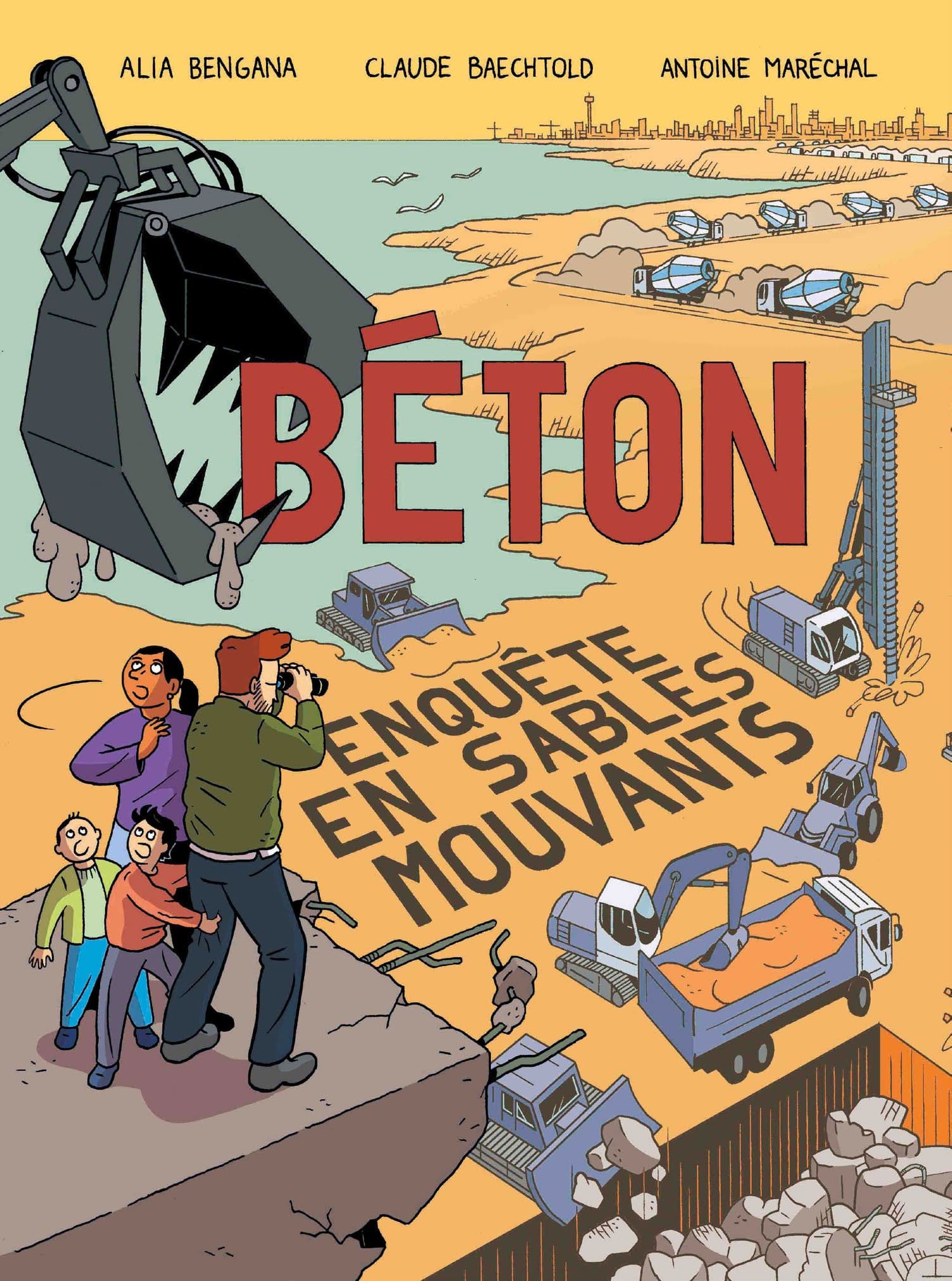
AuthorsAlia Bengana, Claude Baechtold, Antoine Maréchal
ColourIlaria Castagna
PublishingLa Cité Graphique, Collection by Presses de la Cité

"La paille, la terre ... c'est pour les pauvres. Le béton, ça c'est moderne!"

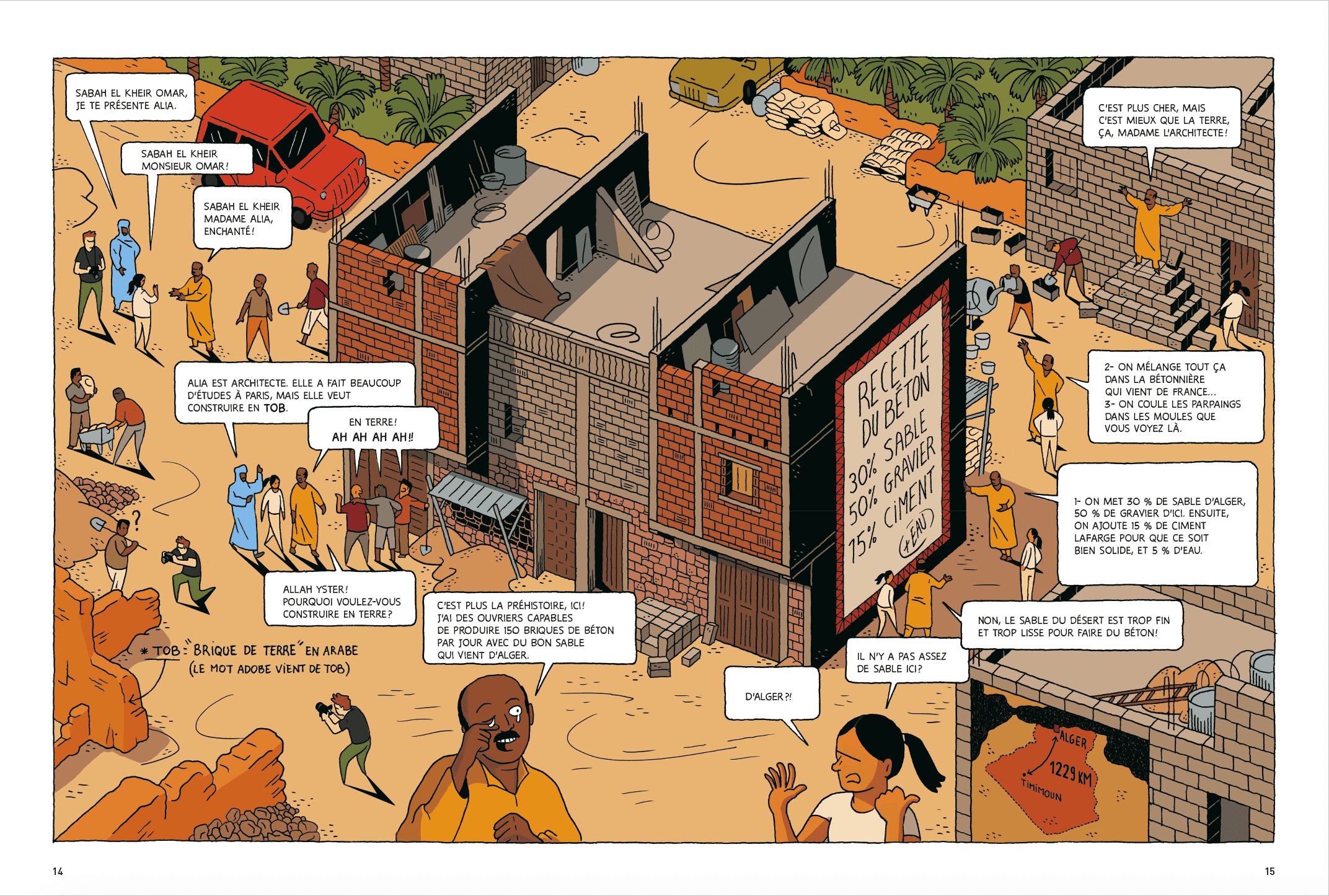
When architect Alia Bengana travelled to the Sahara to build a guest house, she was struck by the extensive use of concrete in architecture and the methods for sourcing the sand required to make it. In fact, in the middle of the desert, the sand has to be transported over 1200 km from Algiers to be used in Timimoun!

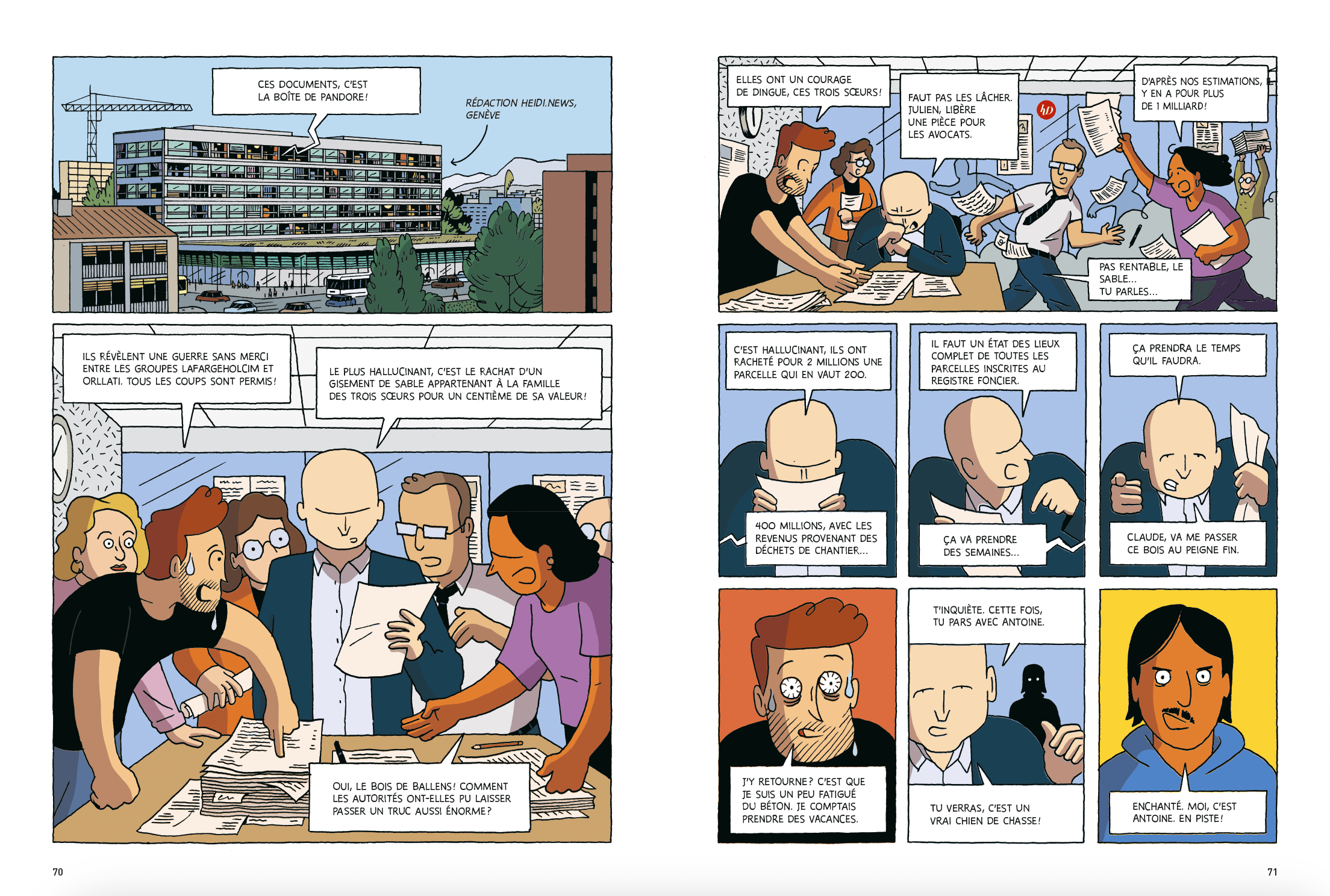
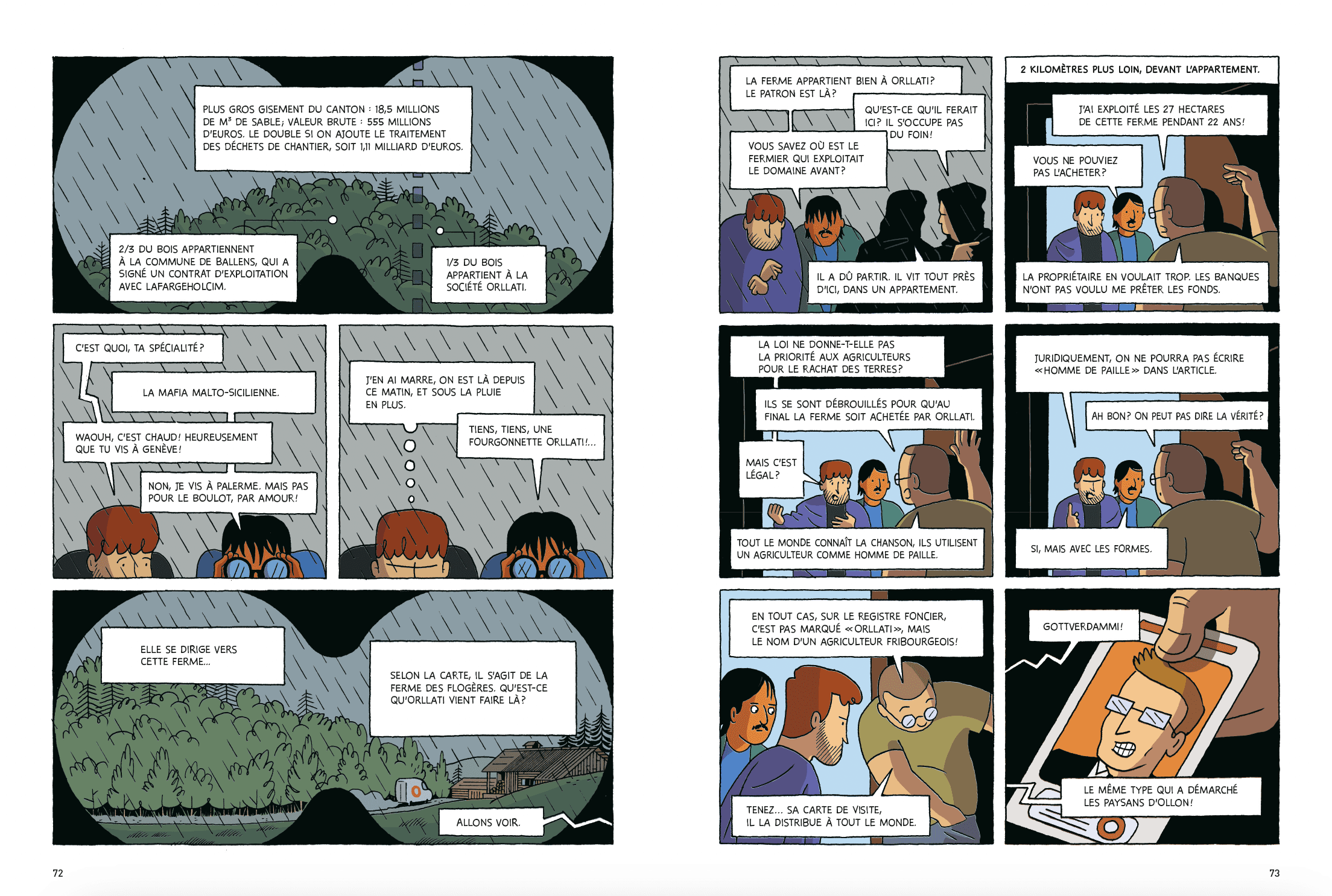
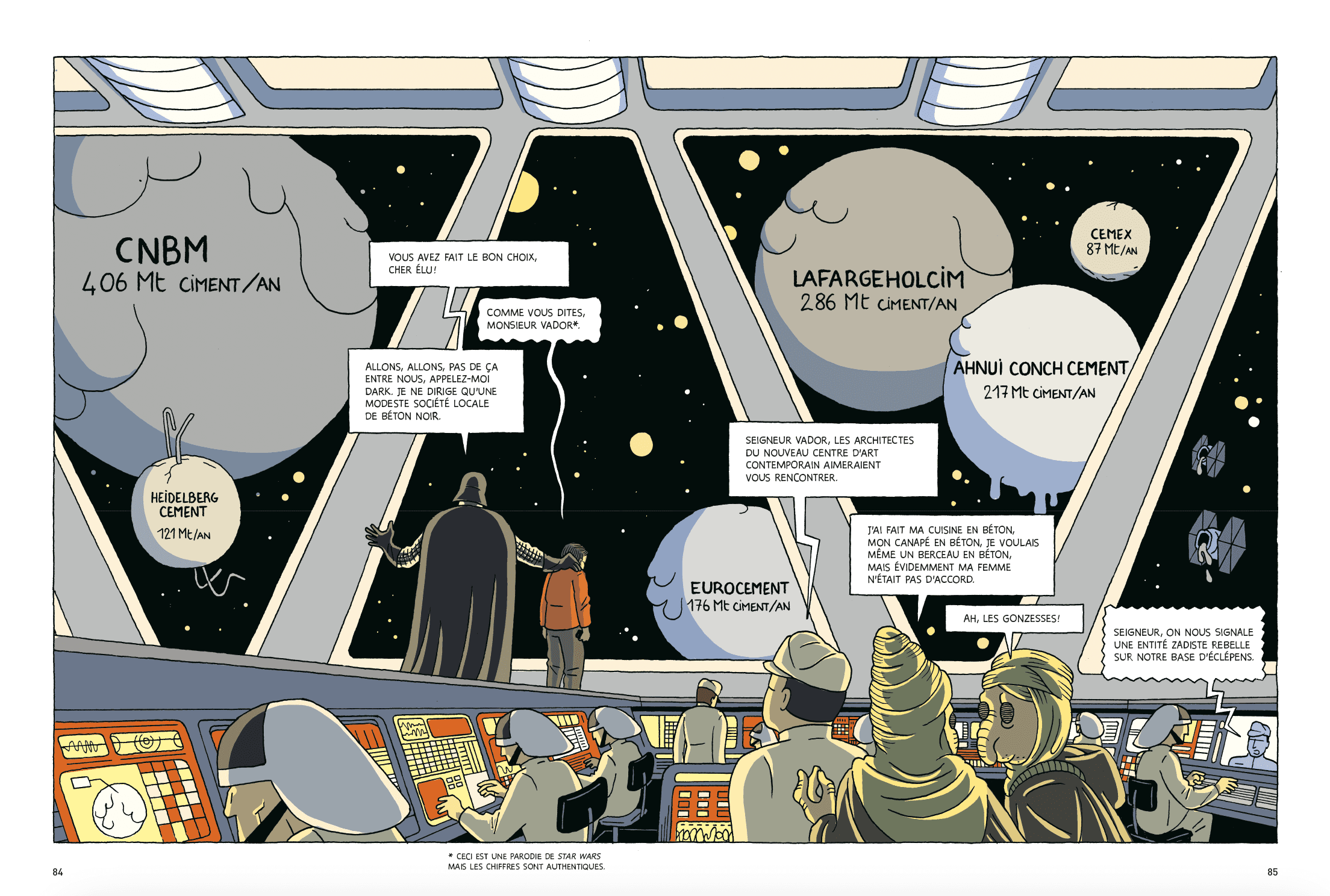
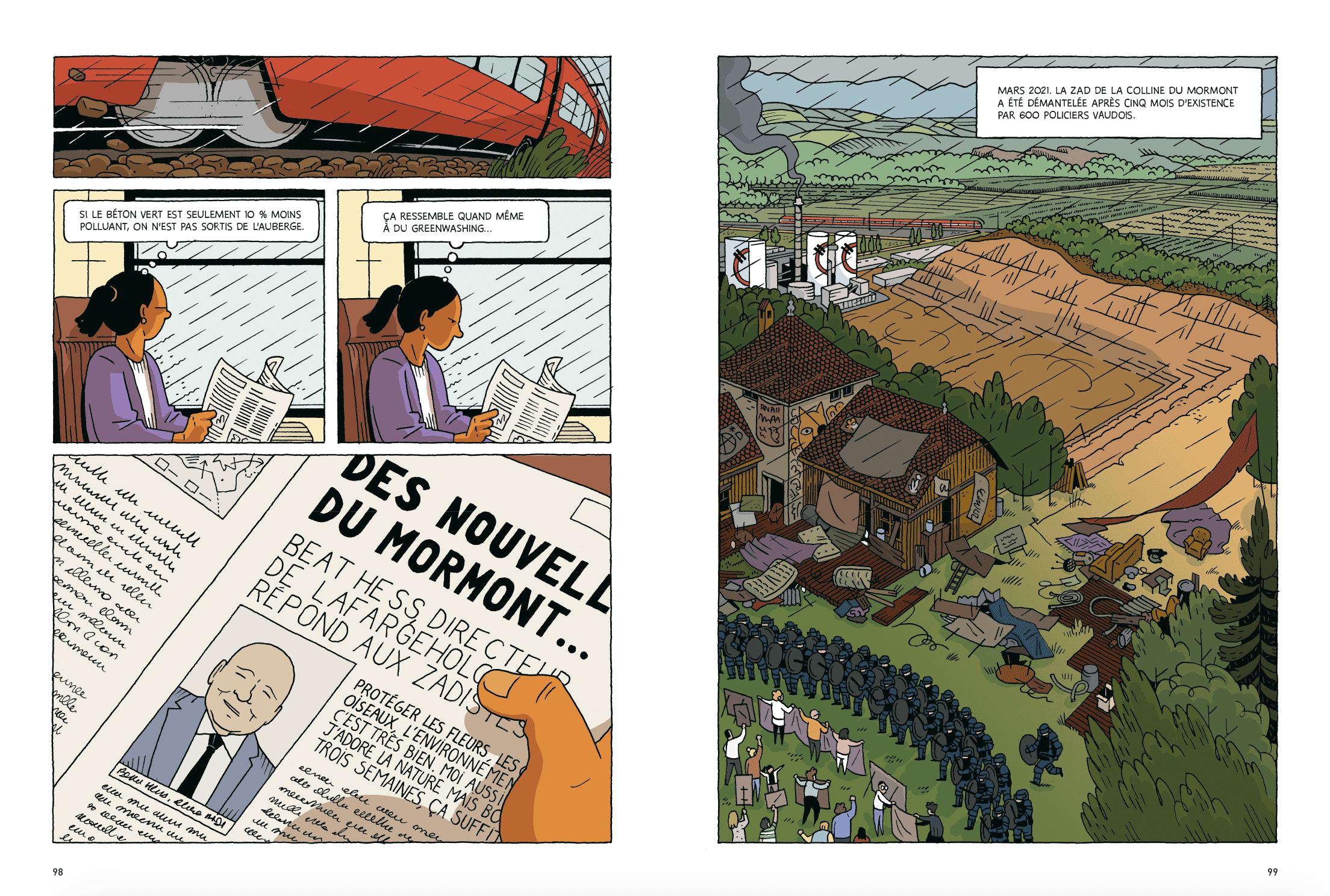
After questioning her own practice, Alia decided to investigate the concrete industry. With Claude Baechtold, her husband, they shed light on the dynamics of the multinational concrete companies, ready to do anything to protect their monopoly on the construction industry. Their research is enriched by discussions with specialists, construction professionals and activists.

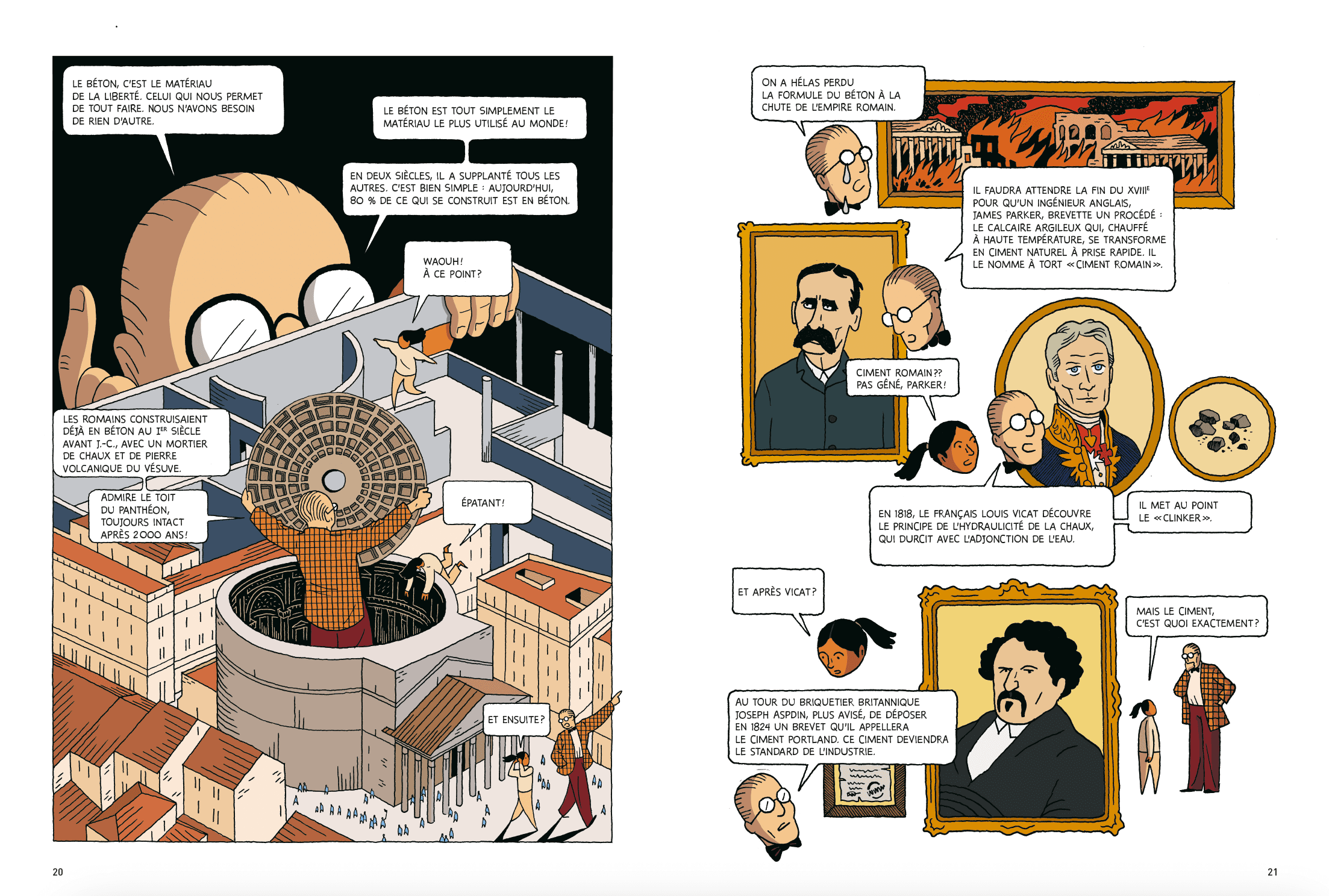
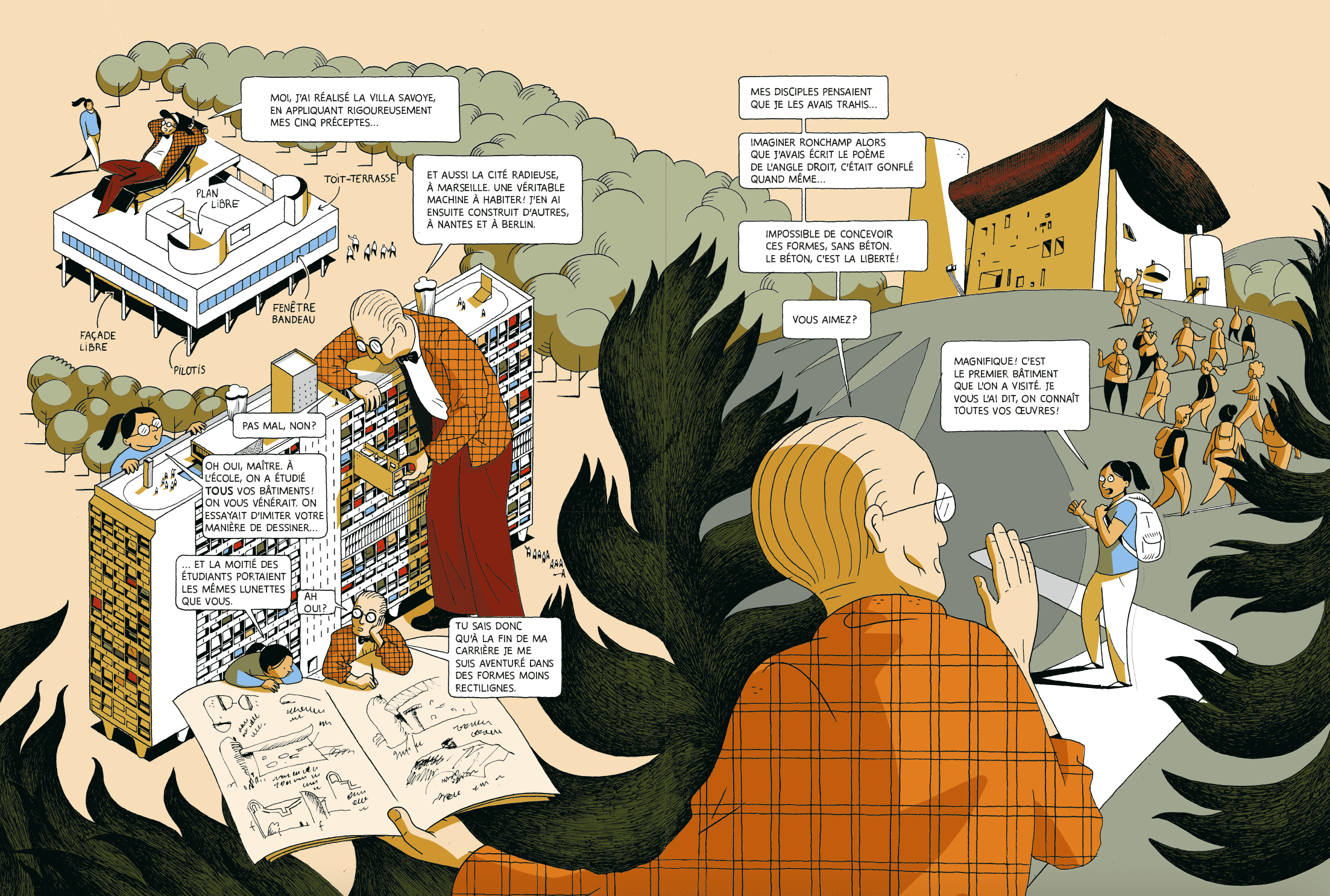
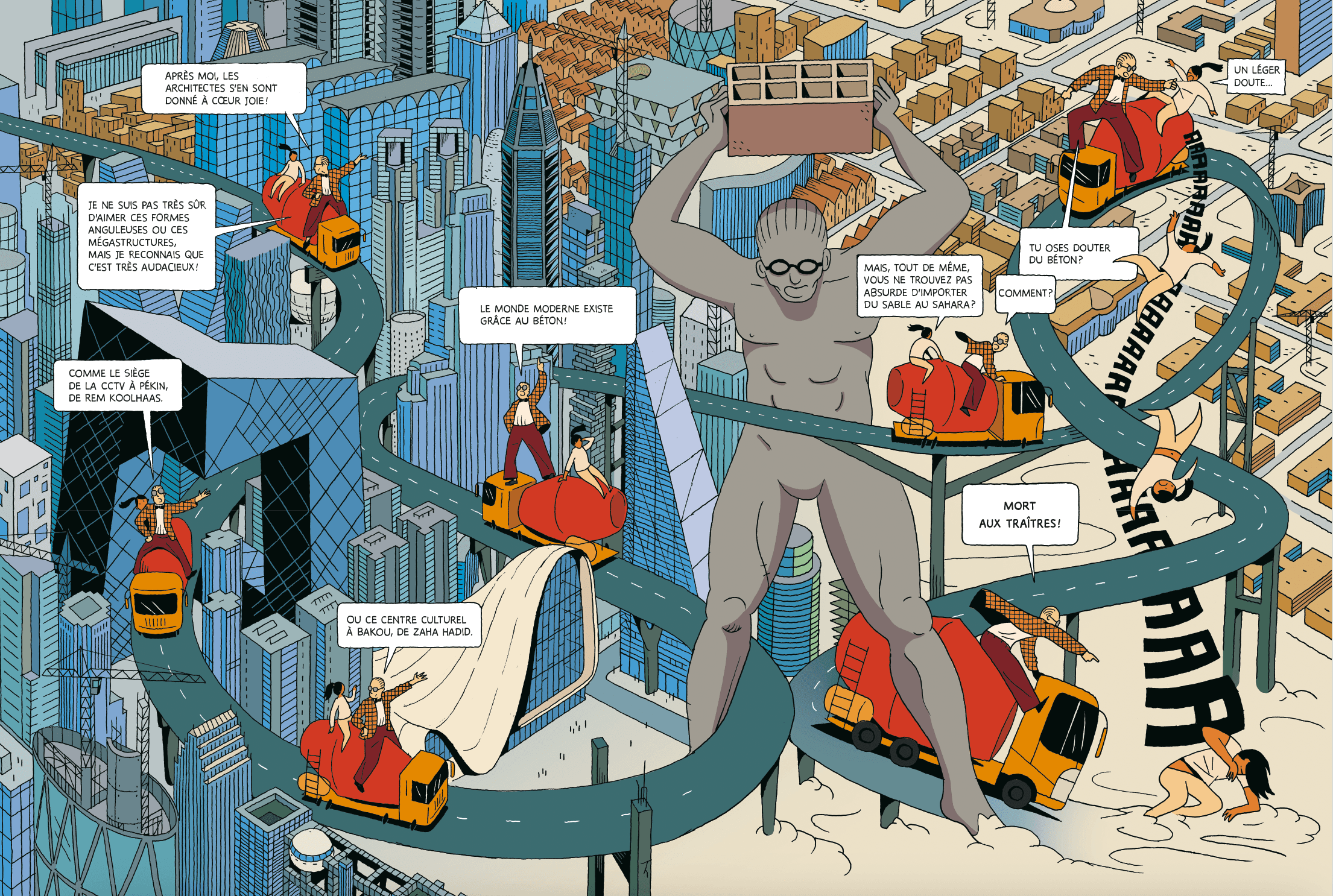
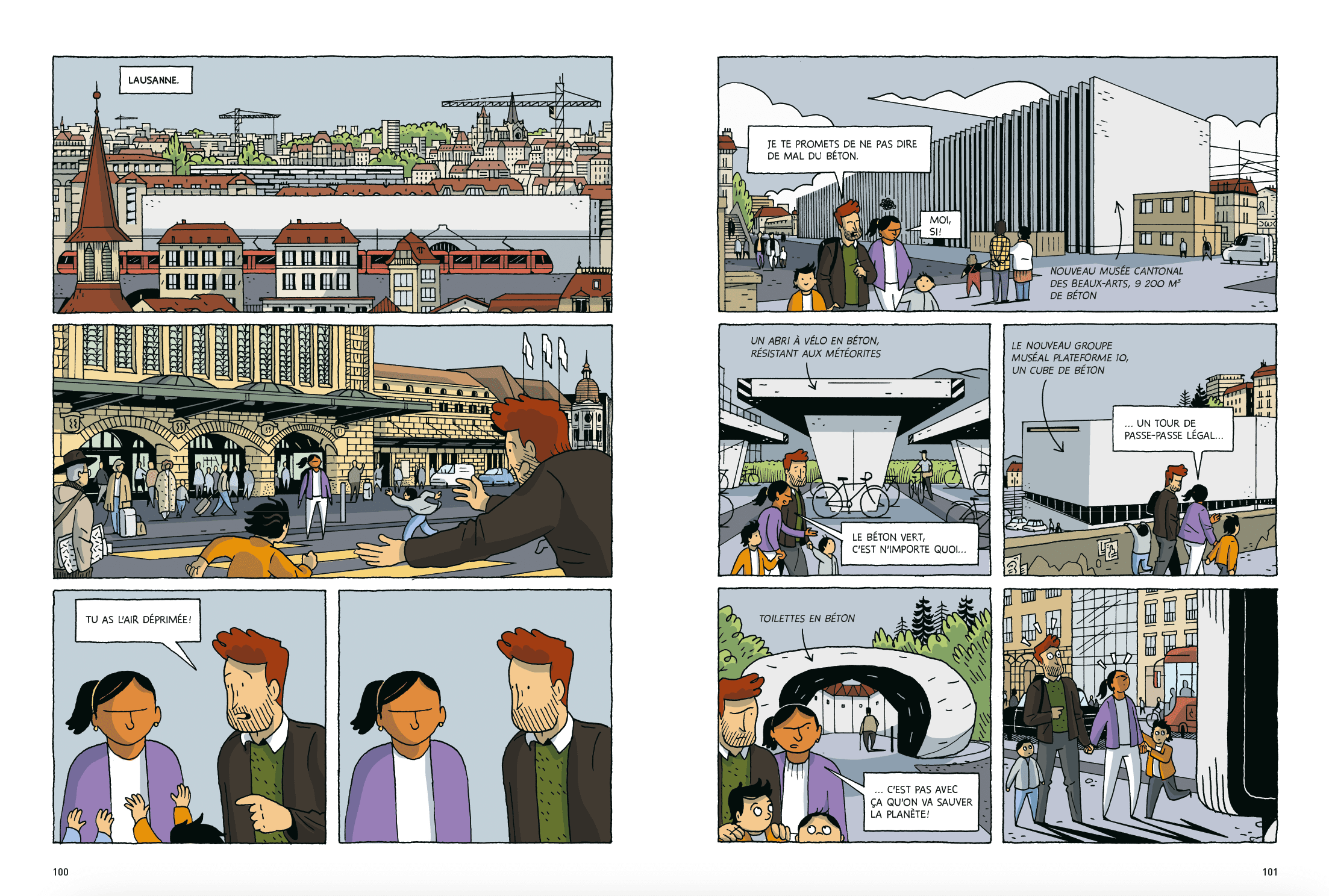
The fruit of this investigative work is the comic strip Béton, enquête en sables mouvants, published by Les Presses de la Cité earlier this year. The book is an opportunity for the authors to make their discoveries accessible, to address preconceived ideas about concrete as a miracle material, and to propose biosourced alternatives that have proved their worth in construction. The drawings by Antoine Maréchal, architect and illustrator, give an accurate and humorous account of this fieldwork, which took more than ten years to complete.

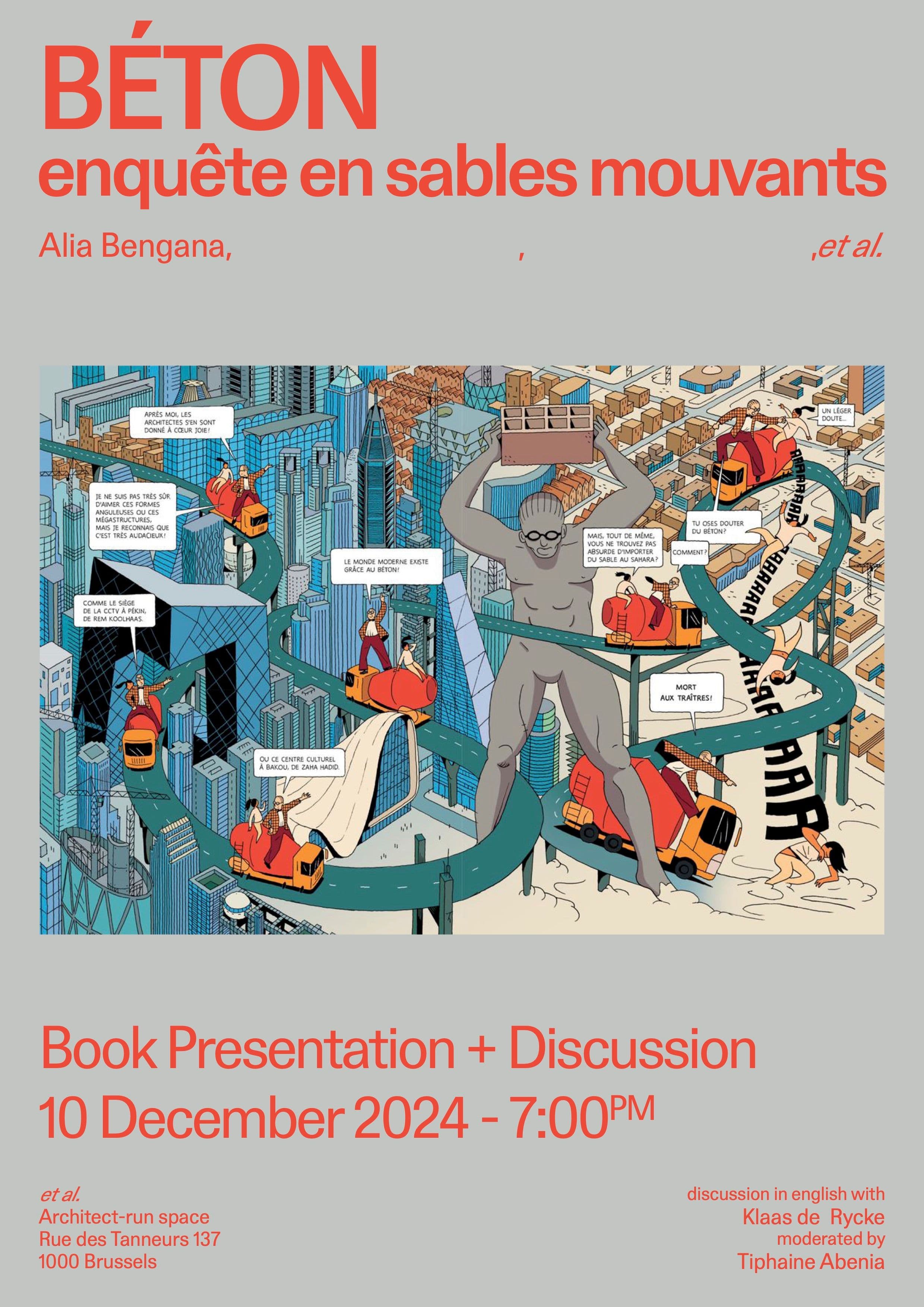
On Tuesday 10 December 2024, Alia Bengana will present the publication in our architect-run space et al. After that she will engage in a discussion with Klaas de Rycke, civil engineer and architect, partner at Bollinger+Grohmann. The discussion will be moderated by Tiphaine Abenia, teacher and researcher at the Université Libre de Bruxelles.

This will provide the opportunity to address a number of issues, including the potentials or limitations of building without concrete today, the training of architects in bio-sourced materials and the place of these issues in the educational system.

common:more-info

On Tuesday, December 10, 2024, Alia Bengana, architect and teacher, presented her book Concrete: Investigation in Quicksands in our space managed by architects, et al. While concrete is still widely used in construction, Alia Bengana’s book invites readers to reconsider its systematic use. This presentation was an opportunity to engage in a discussion with Klaas de Rycke, civil engineer and architect, partner at Bollinger+Grohmann, and Tiphaine Abenia, teacher and researcher at ULB, who moderated the session.

The idea of concrete as a major issue began to emerge when Alia traveled to the Sahara to build a guesthouse. There, she was struck by the intensive use of concrete in architecture and by the methods of sourcing sand necessary for its production. Indeed, in the middle of the desert, sand must be transported over 1,200 km from Algiers to be used in Timimoun!

After questioning her own practice, Alia decided to investigate the concrete industry. Together with her husband, Claude Baechtold, they highlight the dynamics of multinational concrete companies, willing to do anything to protect their monopoly in the construction sector. Their research is enriched by discussions with specialists, building professionals, and activists.

The result of this investigative work is the comic book Concrete: Investigation in Quicksands, published by Les Presses de la Cité earlier this year. The book allows the authors to make their findings accessible, to question preconceived ideas about concrete as a miracle material, and to propose proven bio-based alternatives for construction. The drawings by Antoine Maréchal, architect and illustrator, provide a precise and humorous account of this fieldwork, which lasted more than ten years.

During the event, the discussion between Alia Bengana, Klaas de Rycke, and Tiphaine Abenia addressed a number of issues, including the potentials and limits of construction without concrete today, the training of architects in bio-based materials, and the place of these topics in the educational system.
language